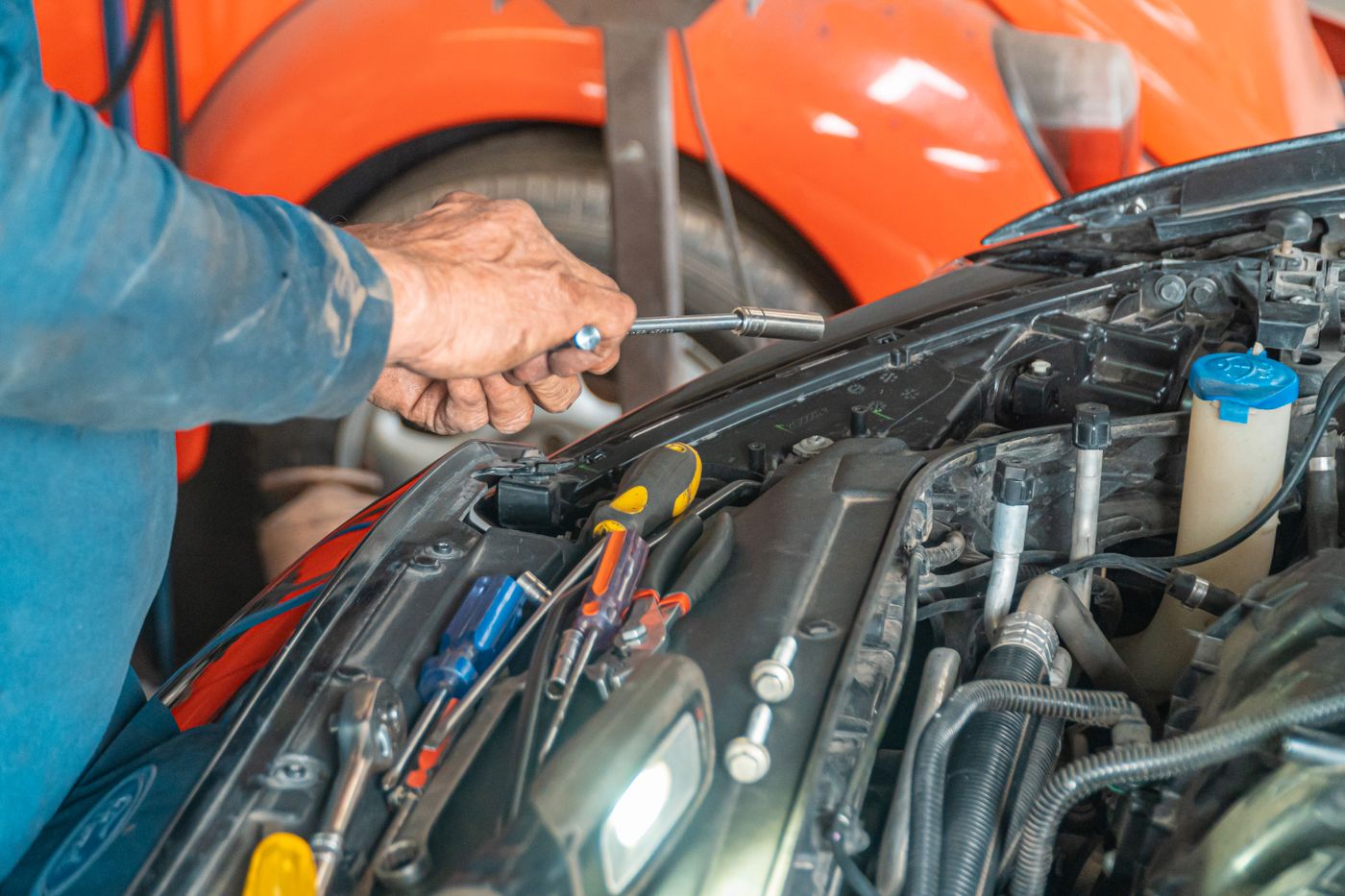
You've probably been offered a multi-point inspection at some point — often bundled with an oil change or other routine service. The term gets used a lot, but it's worth understanding what a quality inspection actually covers and how it differs from the cursory glance some shops call an "inspection." At AutoZmotive in Holmesburg, a multi-point inspection is a structured walk-through of your vehicle's key systems — not a sales pitch generator, but a genuine assessment of what's working well, what's showing wear, and what needs attention.
Under the Hood
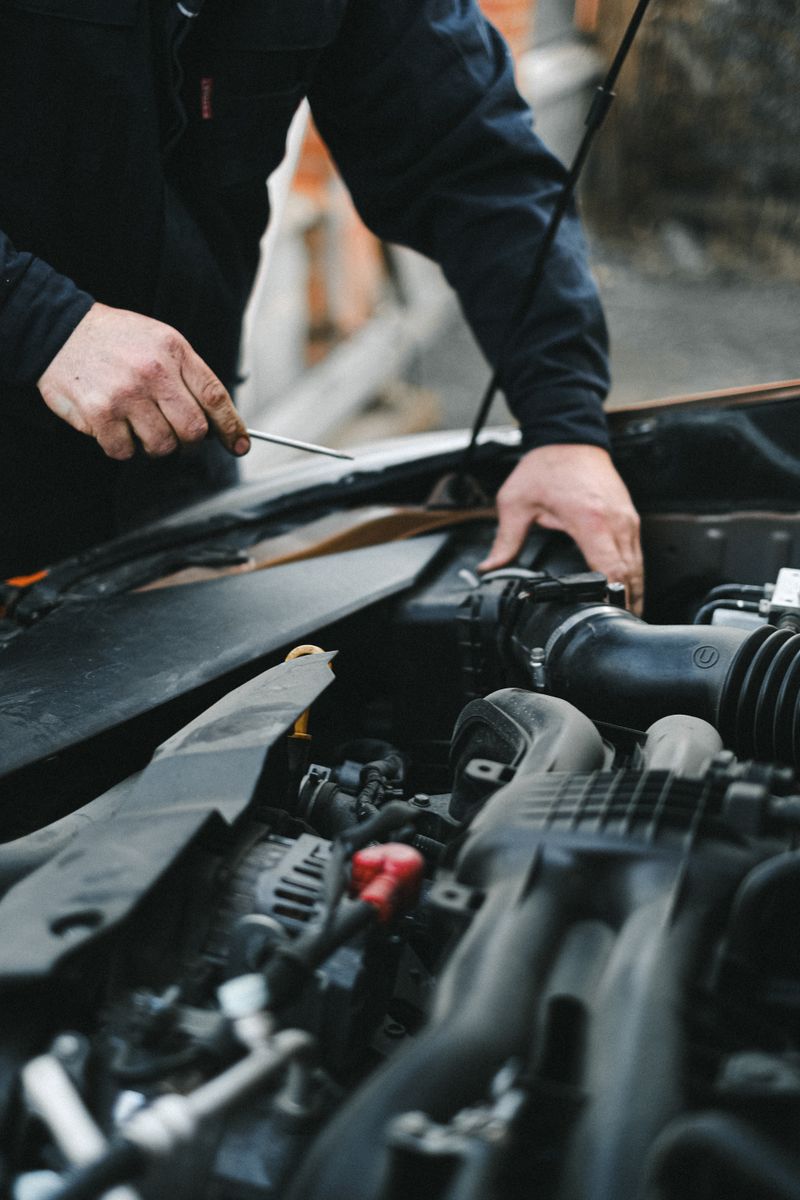
A proper under-hood inspection checks the condition and level of every fluid: engine oil, coolant, brake fluid, power steering fluid, transmission fluid (if accessible), and windshield washer fluid. It also examines the battery terminals and tests the battery's state of charge and cranking amps, inspects the serpentine belt and cooling hoses for cracking or deterioration, and visually checks for any signs of leaks around the engine, valve cover, or hose connections. This takes about ten minutes to do right and tells you a great deal about how well the vehicle has been maintained.Brakes
With the vehicle on a lift and the wheels removed, a technician can measure brake pad thickness directly and assess rotor condition — including surface finish, signs of heat discoloration, and whether the rotor measures above minimum thickness. Calipers are inspected for proper operation and signs of seizing. Brake lines and hoses are checked for cracks or corrosion. What you can't see from the driveway — whether your front pads are at 3mm or 9mm, whether one caliper is dragging — becomes clearly visible on the lift.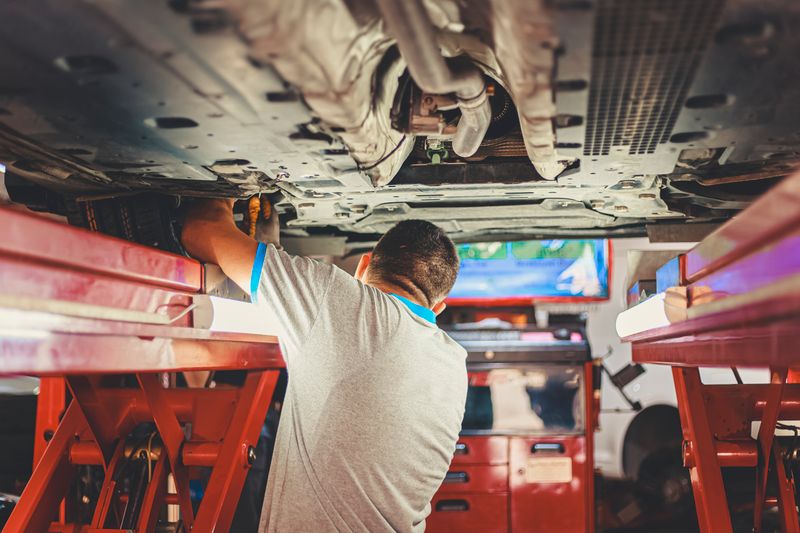
Tires and Wheels
Each tire is checked for tread depth, uneven wear patterns, sidewall damage, and proper inflation. Uneven wear (wear concentrated on the inside or outside edges, or cupping across the tread) tells a story about alignment or suspension problems. The wheels are checked for bent rims or damage, and the lug nuts are verified to be properly torqued. Tire condition is one of the most important safety items on the list — yet it's one drivers often underestimate because tires look fine from a distance even when they're dangerously worn.Suspension and Steering
On the lift, a technician can physically inspect and, where appropriate, test steering and suspension components: ball joints, tie rod ends, control arm bushings, sway bar links, and shock absorbers or struts. Many of these components develop play or wear gradually — you might notice your ride has gotten harsher, or your car pulls slightly on the highway, without connecting it to specific worn parts. A suspension inspection puts eyes (and hands) on the components that determine how your car handles emergency maneuvers and rough road surfaces.Lights, Wipers, and Externals
All exterior lights are tested: headlights (low and high beam), brake lights, turn signals, reverse lights, and hazard flashers. Wiper blades are checked for streaking or deterioration. The exhaust system is visually inspected from underneath for leaks, corrosion, or loose hangers. The fuel and brake lines are inspected for external corrosion or damage. This portion of the inspection catches the kind of items that are easy to overlook but can result in a traffic stop, a failed inspection, or a safety hazard.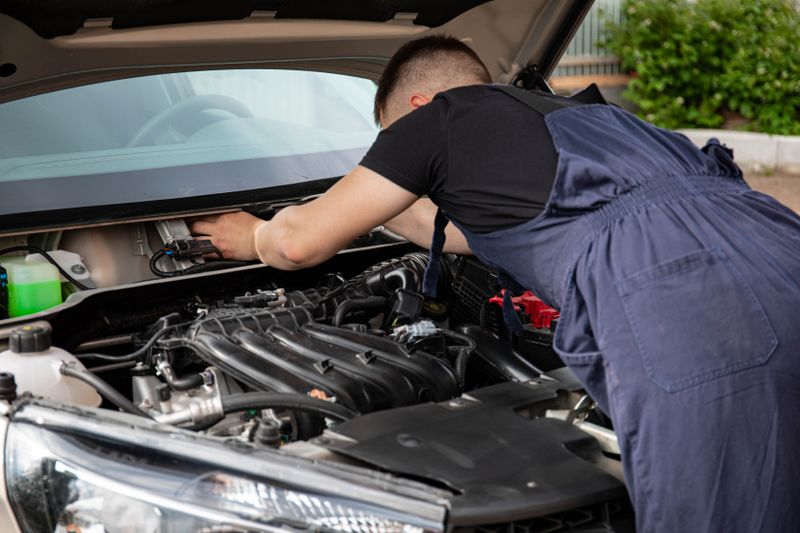
What Happens After the Inspection?
At AutoZmotive, we document the findings in a written report and go over them with you directly. Items are typically categorized: things that are fine, things to watch in the coming months, and things that should be addressed now for safety or mechanical reasons. We don't create urgency around items that genuinely aren't urgent, and we don't recommend services you don't need. The goal is to give you an accurate picture of your vehicle's condition so you can make informed decisions about maintenance and repairs.A multi-point inspection done properly takes 30 to 45 minutes and provides real value — especially if you're uncertain about your car's condition or haven't had it looked at in a while. Bring your vehicle to AutoZmotive in Holmesburg and let us give you the full picture. If you're in the Philadelphia area, book your inspection online — knowledge about your car's condition is never wasted.