Why Brakes Make Noise
Brake noise is one of the most common reasons drivers visit a repair shop — and also one of the most misunderstood. The truth is that not all brake squeaks indicate a problem. Braking is fundamentally a high-friction, high-heat process, and the components involved are prone to making noise under the right conditions. The key is learning to distinguish between noises that are harmless and those that are your car's way of asking for urgent help.
When Squeaky Brakes Are Normal
Several situations can produce brake noise that doesn't require a repair:
- Morning squeaks: Overnight moisture or light rust on the rotor surface can cause a brief squeal for the first few stops of the day. This typically disappears after a minute or two of driving and is completely normal.
- Cold weather: Low temperatures make brake hardware and pad materials contract and stiffen, often producing temporary noise until everything warms up.
- Light rain or dew: A thin film of moisture between the pad and rotor can cause squealing on the first few applications. If it clears up quickly, don't worry.
- New brake pads: Fresh pads sometimes squeak during a break-in period of a few hundred miles while the pad material seats against the rotor surface.
When Squeaky Brakes Signal a Problem
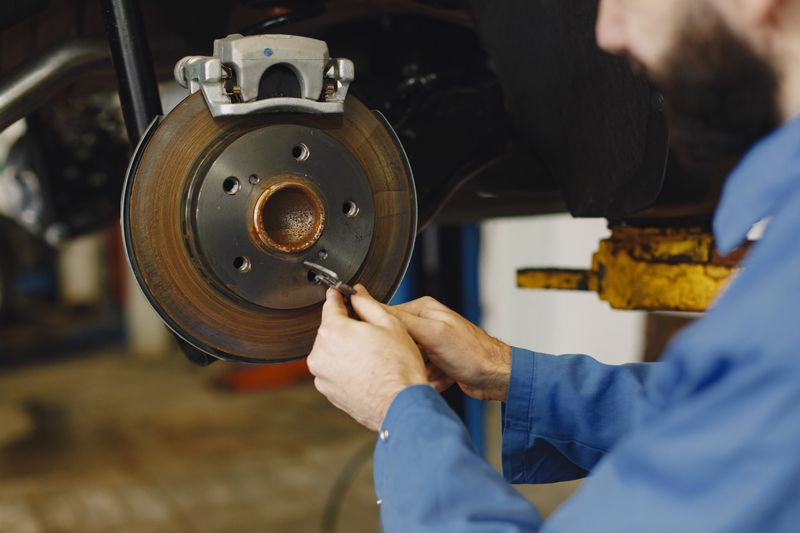
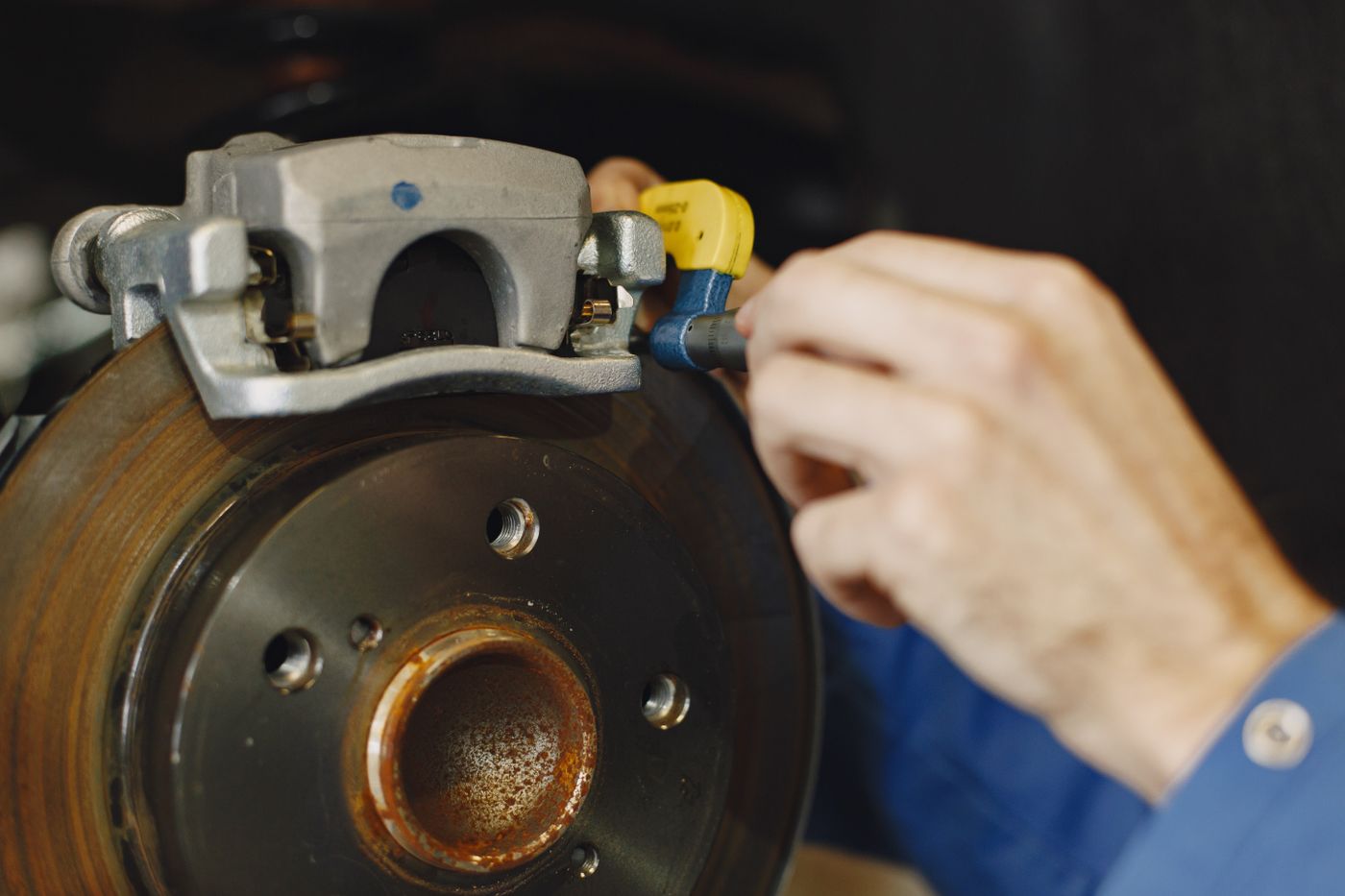
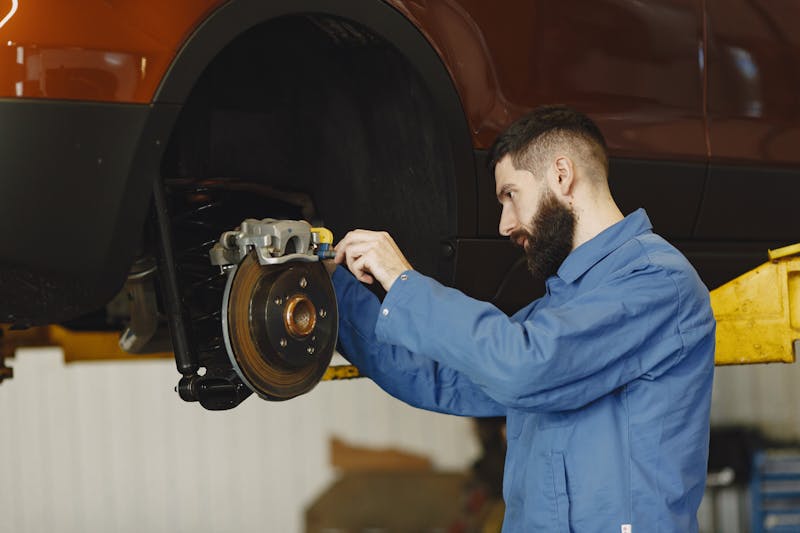
Some brake noises should never be ignored. The most important one to know: a continuous, high-pitched squeal every time you brake is the sound of your wear indicator. Nearly all modern brake pads contain a small metal tab that contacts the rotor when the pad wears down to its minimum safe thickness. That squeal is engineered on purpose — it's the pad telling you it needs to be replaced soon. This is not an emergency, but it is a prompt to schedule service within the next week or two rather than letting it go for months.
Grinding Is a Different Story
If squealing is a warning, grinding is an emergency. A deep, metallic grinding or growling sound when you brake almost always means the pad material is completely gone and metal is contacting metal — caliper bracket against rotor. Every stop is now grinding material off the rotor surface and potentially damaging the caliper as well. Driving on grinding brakes turns a moderately expensive pad-and-rotor job into a much costlier repair that may include caliper replacement. If you hear grinding, have the vehicle inspected the same day.
Other Brake Noises to Know
- Clunking: Often a loose caliper bracket or a broken anti-rattle clip — a structural issue that can affect how braking force is applied.
- Clicking: Pads that aren't properly seated can click when brake pressure is applied and released.
- Scraping during turns (not braking): This may be debris caught between the pad and rotor — occasionally a stone or road grit gets lodged there. It may clear on its own, but persistent scraping warrants a look.
- Pulsating vibration with a squeal: Often indicates a warped rotor in combination with worn pads — both need attention.
Pad Material and Noise Tendencies
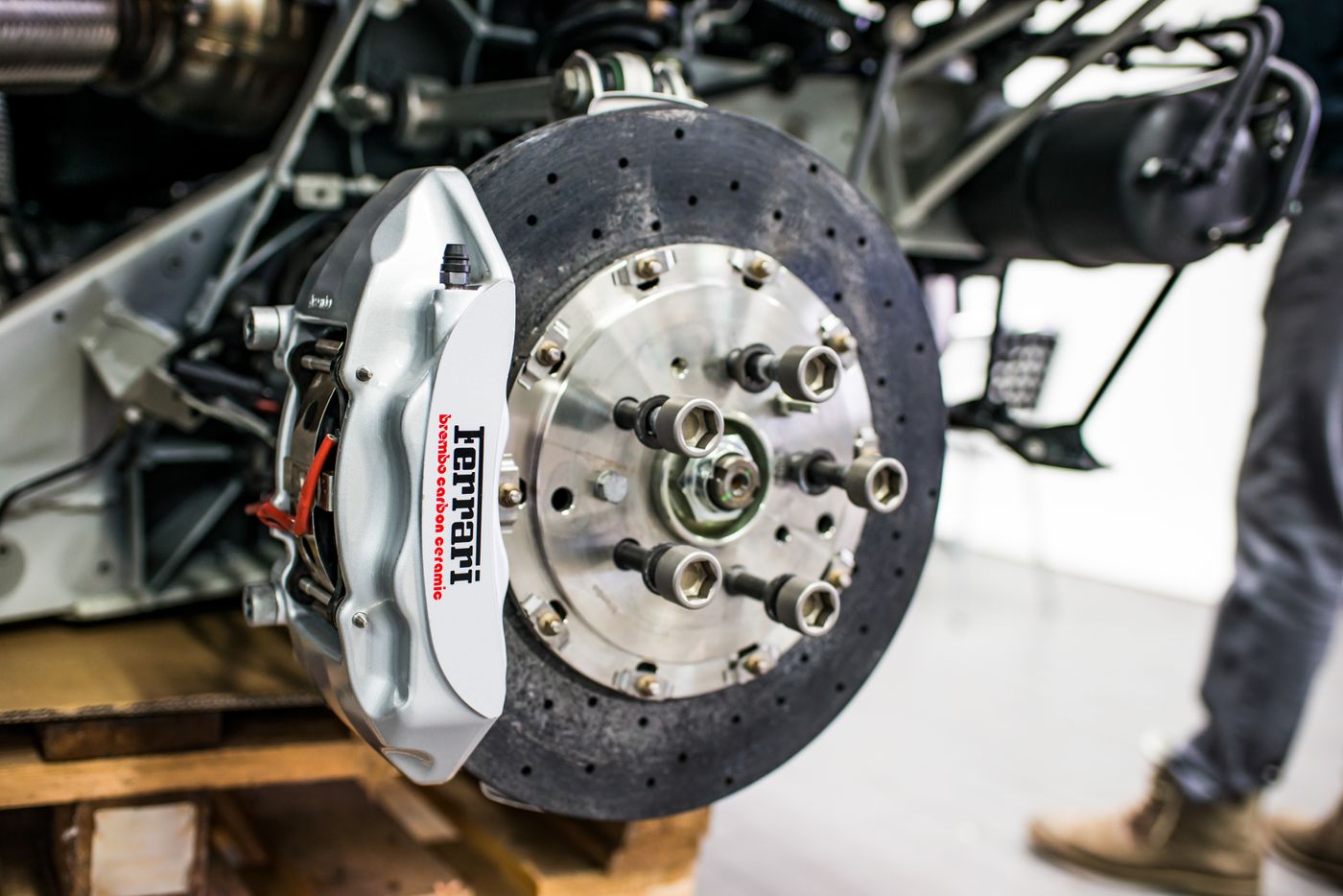
The type of brake pad installed on your vehicle influences how much noise it generates. Semi-metallic pads are the most prone to squeaking because of the metal content in the friction material — they work well and last a long time but can be louder, especially in cold weather. Ceramic pads are engineered to minimize noise and produce finer, lighter brake dust. If noise has been an ongoing annoyance and your pads are due for replacement anyway, upgrading to ceramic is worth considering.
A Note on Brake Dust and Rotor Condition
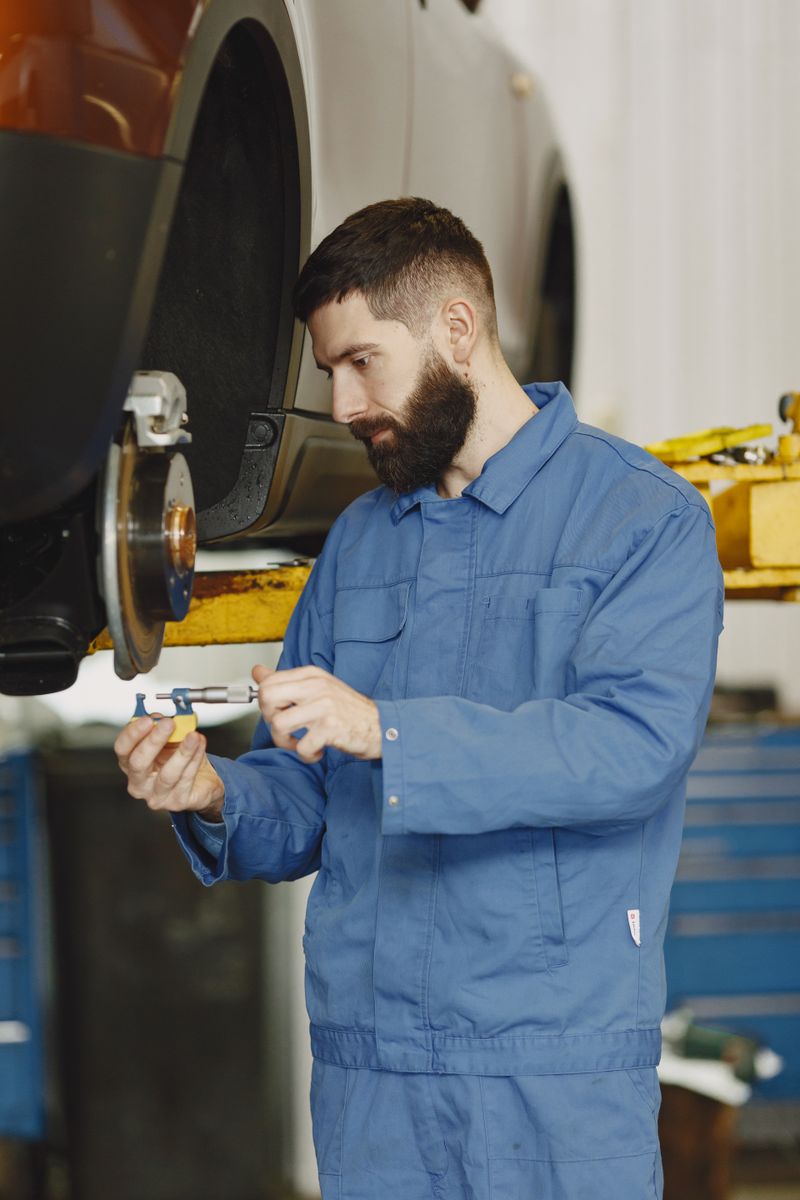
Sometimes what sounds like a brake squeak is actually the result of glazed pads or rotors. Glazing happens when brake components overheat — the pad surface and rotor face become hardened and smooth, which reduces friction and can produce a high-pitched noise. Glazing is more common with organic pads or after repeated hard stops without adequate cooling. A technician can identify glazing visually and determine whether resurfacing or replacement is needed.
At AutoZmotive in Holmesburg, Philadelphia, diagnosing brake noise is something we do every day. If your brakes are making a sound you're not sure about, book an appointment online and let us listen. A quick inspection is far cheaper than ignoring a problem until it becomes expensive — and far safer too. Your stopping power is not something to gamble with.