Your brakes are the single most important safety system on your vehicle. Unlike most car problems that can wait a few weeks, brake issues rarely improve on their own — they get worse, and often faster than you'd expect. Knowing the early warning signs can save you from a much larger repair bill and, more importantly, keep you safe on the road.
1. Squealing or Screeching Noises
That high-pitched squeal when you apply the brakes is almost always your brake pads telling you they're worn down. Most brake pads have a small metal indicator tab built in specifically for this purpose — when the pad wears thin enough, the tab contacts the rotor and creates that unmistakable sound. Think of it as a built-in alarm. Don't ignore it. The good news is that if you catch it at this stage, you likely only need new pads and not rotors.2. Grinding or Growling
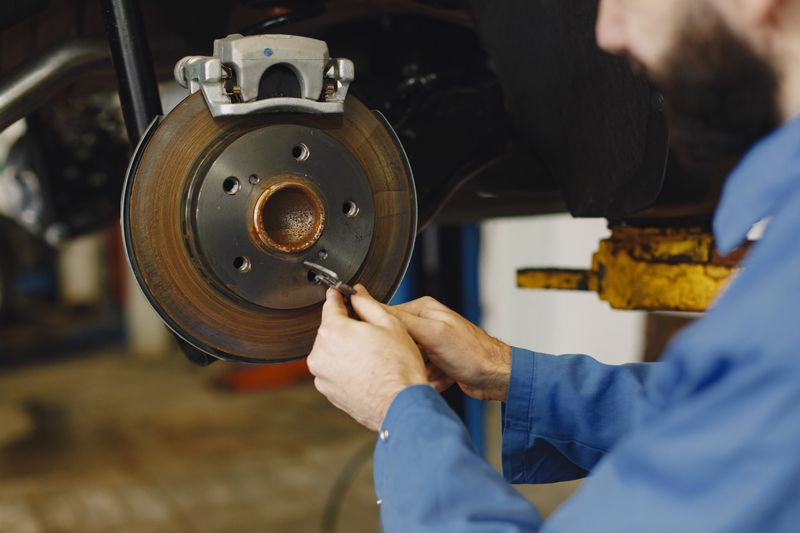
If squealing has progressed to a grinding or metal-on-metal growling sound, you've gone past the warning stage. This typically means the pad material is completely gone and the metal backing plate is now contacting the rotor directly. This damages the rotor rapidly and can make what would have been a $150 pad replacement into a $400+ job. A grinding noise warrants an immediate inspection — don't put it off.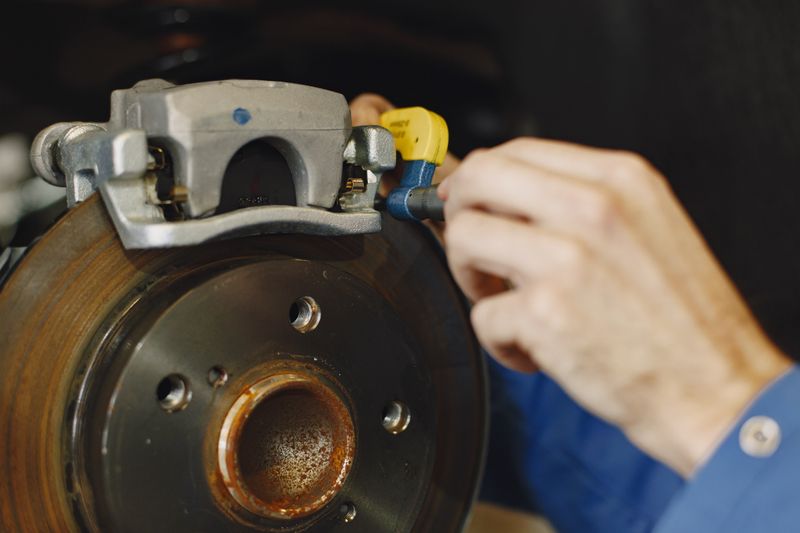
3. Pulling to One Side
When you press the brakes and the car drifts left or right, that's a sign of uneven brake wear or a stuck caliper. One brake is doing more work than the other, which creates an unbalanced stopping force. This can also be a symptom of a brake fluid leak in one of the calipers. Beyond the safety concern, this puts extra stress on your steering and suspension components over time.4. Soft, Spongy, or Low Brake Pedal
A healthy brake pedal should feel firm and consistent. If your pedal sinks closer to the floor than usual, or feels soft and spongy when pressed, you likely have air in the brake lines or a fluid leak somewhere in the system. This is one of the more serious warning signs because it affects your ability to stop at full force. If your pedal suddenly goes to the floor, pull over safely and call for a tow — do not drive the vehicle.5. Vibration or Pulsating When Braking
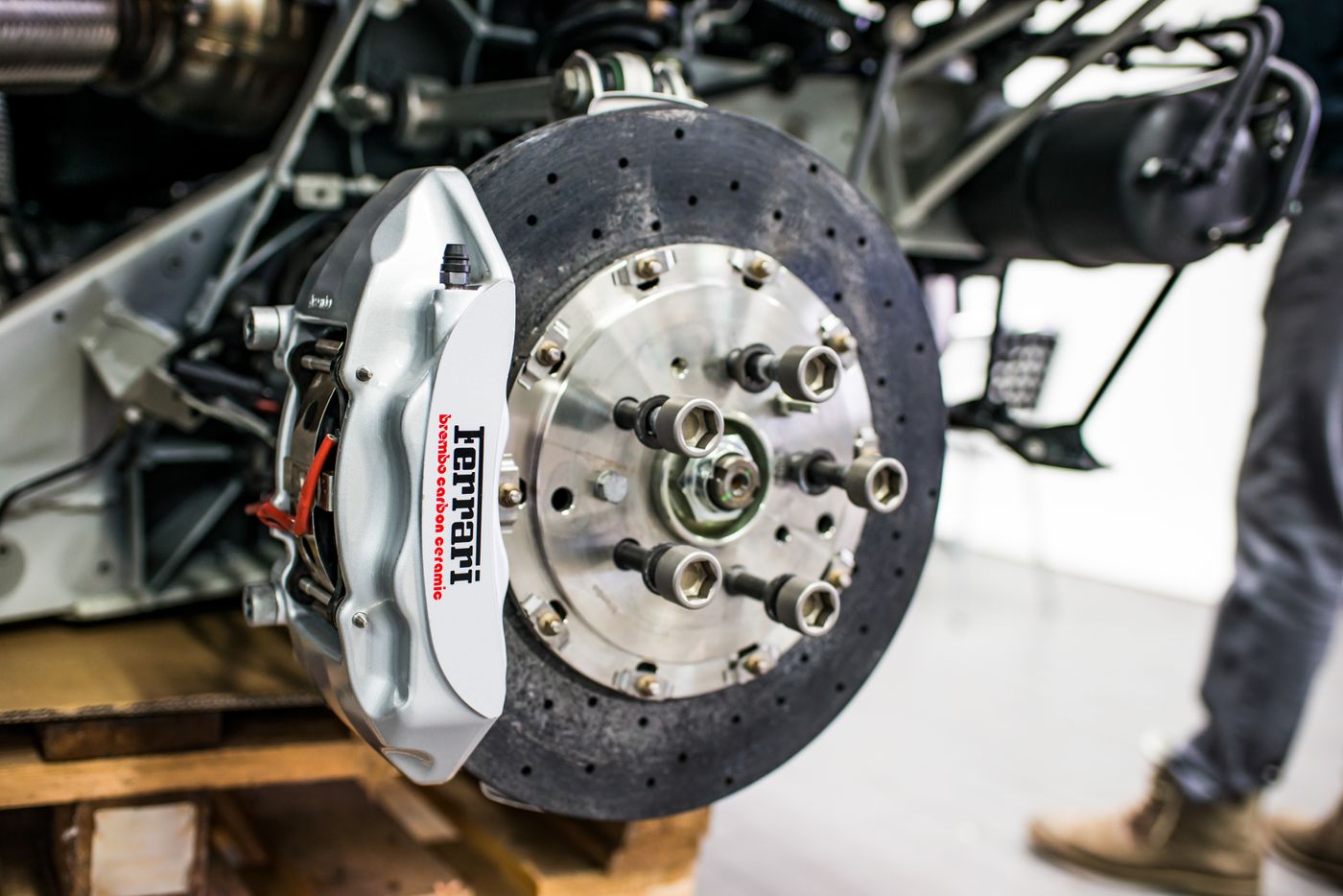
A vibration or pulsing through the brake pedal — or through the steering wheel — usually points to warped rotors. Rotors can warp from excessive heat, such as riding the brakes down a long hill, or from uneven cooling after a very hard stop. The uneven surface means the brake pad can't make consistent contact, and you feel that as a rhythmic shudder. Warped rotors may be resurfaced in some cases, but often replacement is the better long-term value.