If you own and drive a vehicle in Pennsylvania, an annual state inspection is not optional — it's the law. Every registered vehicle must pass a safety inspection each year, and most passenger vehicles also require an emissions test. For a lot of drivers, the inspection feels like a mystery. You drop the car off, wait, and hope it passes. Understanding what mechanics are actually checking can help you avoid surprises and keep your car in good shape year-round.
The Two Parts of PA Vehicle Inspection
Pennsylvania's inspection program has two separate components: the safety inspection and the emissions inspection. Safety inspection is required for all vehicles. Emissions inspection is required in many of Pennsylvania's counties — including Philadelphia County — to ensure vehicles meet air quality standards. If your vehicle is less than two model years old, it's typically exempt from emissions testing. Diesel vehicles are also handled differently from gas-powered ones.What the Safety Inspection Covers
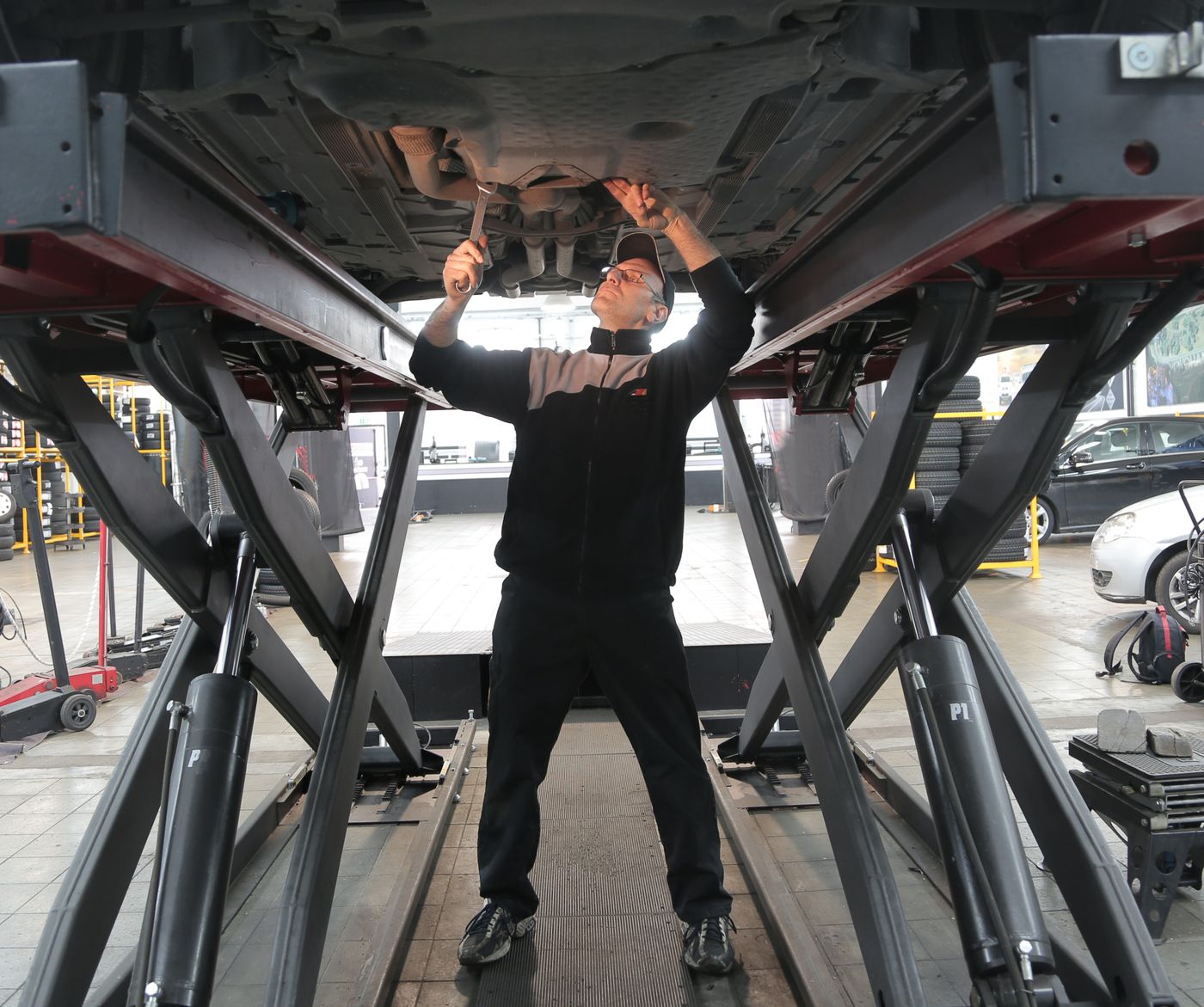
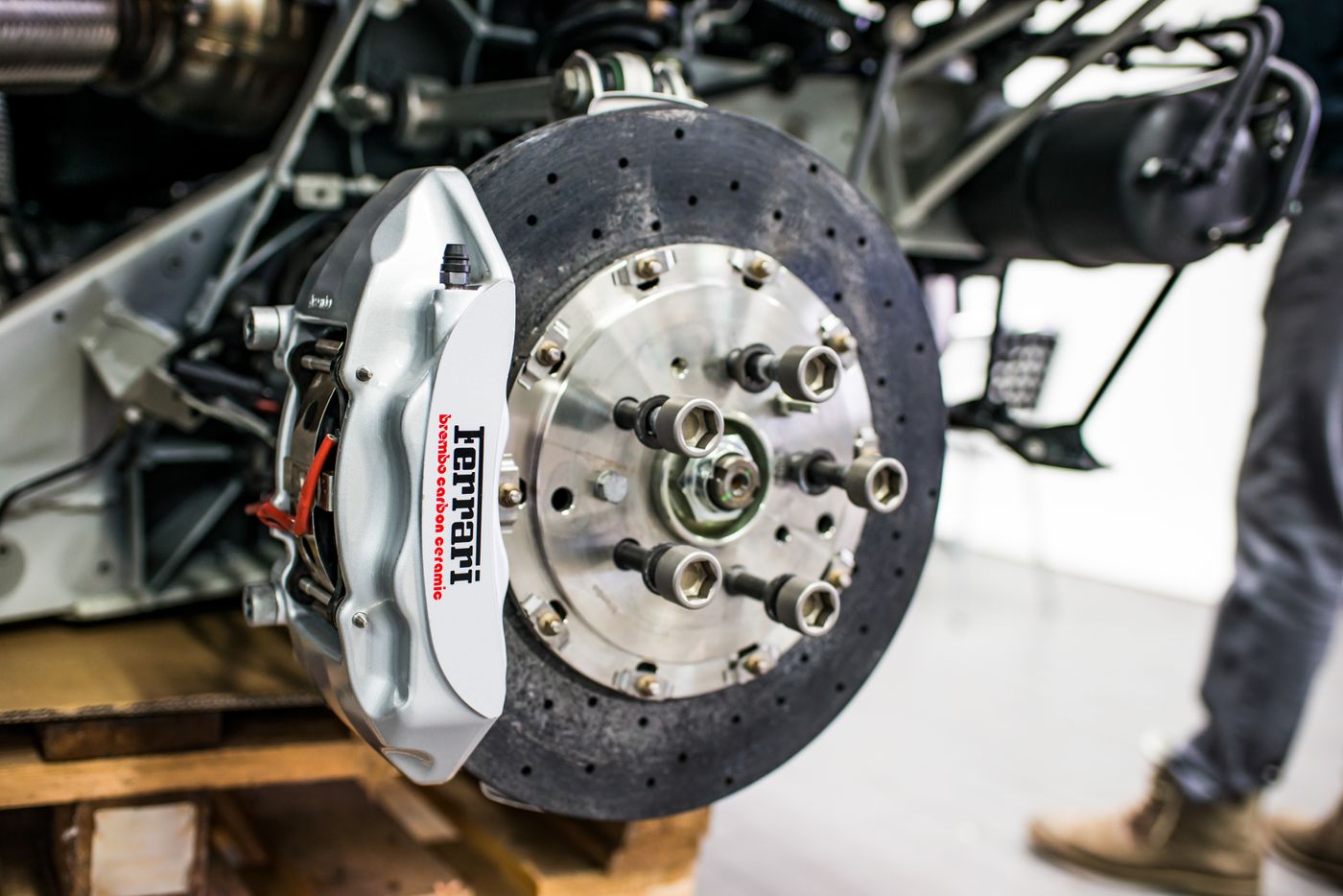
A certified PA safety inspector goes through a standardized checklist covering the systems most critical to safe operation:- Brakes: Pad thickness, rotor condition, brake fluid level, parking brake function
- Lights: Headlights, taillights, brake lights, turn signals, hazard lights, license plate light
- Steering and suspension: Tie rods, ball joints, shocks, struts, wheel bearings
- Tires: Tread depth (minimum 2/32"), sidewall condition, matching pairs on same axle
- Horn: Must be operational
- Windshield and wipers: No obstructed view, wipers must clear effectively
- Seatbelts: Must latch, retract, and hold properly
- Mirrors: Driver's side and interior mirrors required
- Exhaust system: No leaks, secure mounting
- Frame and body: No sharp edges or protrusions that could cause injury
What the Emissions Test Checks
For vehicles in Philadelphia and surrounding counties, the emissions test measures what your exhaust system is putting into the air. Modern vehicles are tested using an OBD-II scanner, which reads the onboard diagnostics system directly. The inspector checks for fault codes and verifies that all emission-related monitors have completed their readiness checks. Older vehicles may go through a tailpipe probe test instead. One common reason for emissions failure is a check engine light — if your check engine light is on when you bring the car in, it will not pass.Common Reasons Vehicles Fail
Knowing what causes failures helps you address issues proactively:- Worn brake pads or scored rotors
- Tires below the 2/32" tread minimum
- A burned-out light bulb (even one)
- Cracked or badly chipped windshield in the driver's sightline
- Check engine light illuminated
- Failing suspension components (loose ball joints, worn tie rods)
- Emission readiness monitors not set (common after a recent battery disconnect)
What Happens If You Fail?
A failed inspection means you'll receive a rejection sticker rather than a passing certificate. You have a set period to have the issues repaired and bring the vehicle back for reinspection. Many inspection stations will waive the reinspection fee if you have the repair done at the same shop. It's worth asking about that policy upfront. Note that driving with an expired or rejected inspection sticker can result in fines.
How to Prepare Before Your Inspection
You don't need to do anything special, but a few simple checks can help you go in with confidence:- Walk around and verify all your lights work (it helps to have someone assist)
- Check your tire tread with a quarter — if you can see all of Washington's head, your tread is low
- Make sure your check engine light is off
- Check that your wiper blades are clearing cleanly
- Listen for any unusual noises from brakes or suspension
Getting Your PA Inspection in Philadelphia
AutoZmotive in Holmesburg is a certified PA state inspection station. We perform both safety and emissions inspections, and we'll walk you through any issues we find clearly and honestly — no unnecessary upsells, no pressure. If your vehicle needs repairs to pass, we'll explain exactly what's required and what's optional. Scheduling an inspection early in your registration month gives you time to address any issues without the stress of a deadline. If you're in the Philadelphia area and need your annual inspection, book your appointment online and we'll get you taken care of.