For decades, drivers were told to change their oil every 3,000 miles. You probably still see that sticker in your windshield corner. The truth is, that recommendation was written for older engines running conventional oil — and most cars on the road today are far more advanced than that.
Why the 3,000-Mile Rule Is Mostly Myth
The 3,000-mile interval made sense back when engine tolerances were looser, oil chemistry was simpler, and many vehicles didn't have oil life monitoring systems. Modern engines are precision-machined, and today's lubricants — especially full synthetic oils — are engineered to last much longer under normal conditions. Following the old rule wastes money and contributes unnecessary used oil to the environment.What Your Owner's Manual Actually Says
The single best source for your oil change interval is your vehicle's owner's manual. Most modern cars specify anywhere from 5,000 to 10,000 miles between changes, with some manufacturers recommending up to 15,000 miles when using full synthetic oil. If your car has an oil life monitoring system, it calculates the interval based on actual driving conditions — not just mileage — and it's generally safe to follow that guidance.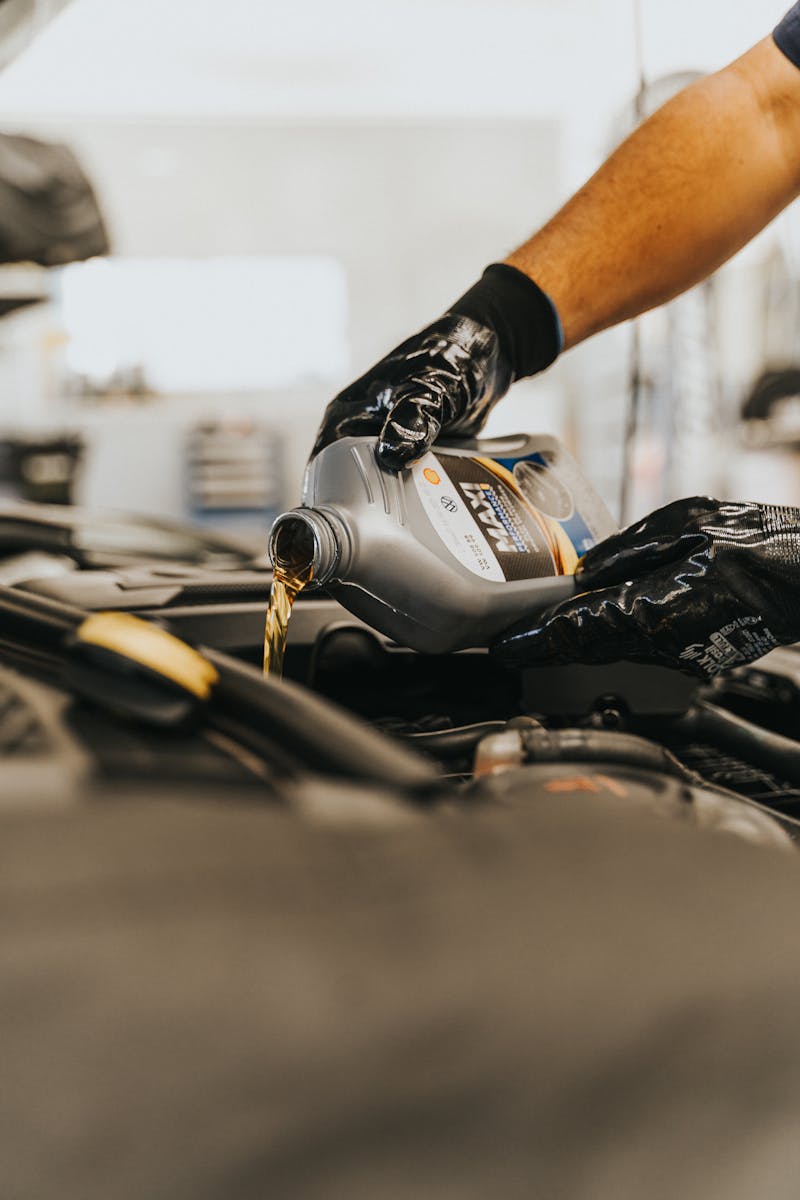
Conventional vs. Full Synthetic Oil
- Conventional oil: Refined from crude oil, typically requires changes every 3,000–5,000 miles
- Synthetic blend: A mix of conventional and synthetic, good for 5,000–7,500 miles
- Full synthetic oil: Engineered for maximum performance and longevity, often rated for 7,500–15,000 miles
Driving Conditions That Shorten the Interval
Even with full synthetic oil, certain driving habits put extra stress on your engine and may require more frequent changes. Mechanics call these severe duty conditions:- Lots of short trips under 5 miles (the engine never fully warms up)
- Stop-and-go city driving
- Towing or hauling heavy loads
- Extreme heat or cold
- Dusty or dirty environments
How to Check Your Oil Between Changes
You don't have to wait for your oil change appointment to know how your oil is doing. Pop the hood, pull out the dipstick, wipe it clean, reinsert it, and pull it out again. The oil level should fall between the two marks. The color should be amber to light brown — dark brown or black means it's heavily used. A milky appearance could indicate coolant contamination, which warrants an immediate visit to a mechanic.