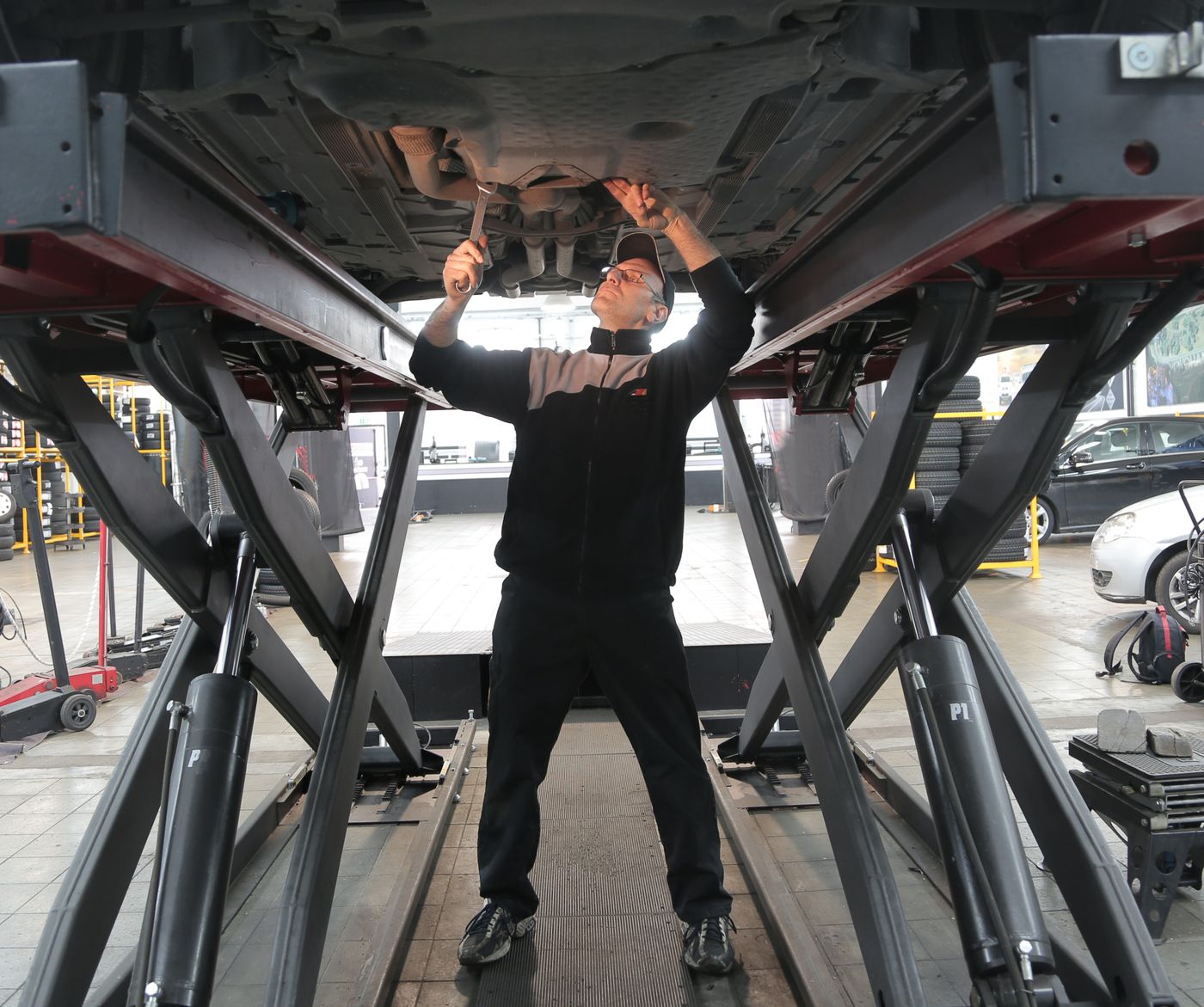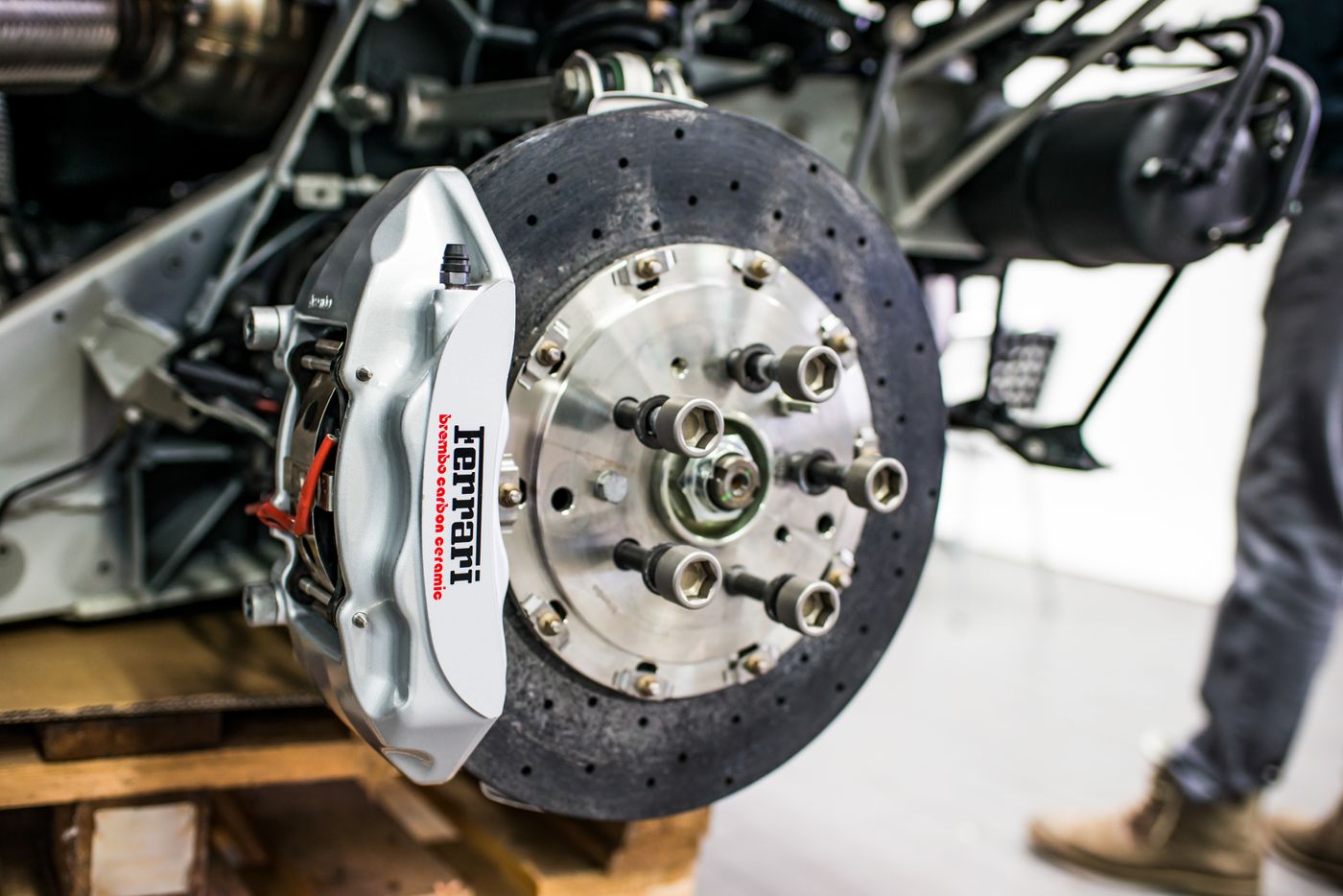
If you've ever called a shop about a vibration or handling issue, you've probably been asked about alignment and balancing. These are two distinct services that are often grouped together in conversation but address entirely different problems. Understanding the difference helps you know what your car actually needs — and avoid paying for something that won't fix your issue.
What Is Wheel Alignment?
Wheel alignment refers to the angle and direction at which your tires make contact with the road. It's an adjustment of your suspension geometry — not the tires themselves — to ensure all four wheels are positioned correctly relative to each other and to the vehicle. The three main alignment angles are:- Camber: The inward or outward tilt of the wheel when viewed from the front
- Toe: Whether the fronts of the tires point inward (toe-in) or outward (toe-out) when viewed from above
- Caster: The angle of the steering axis when viewed from the side; affects stability and steering feel
What Is Tire Balancing?
Tire balancing is about the weight distribution of the tire and wheel assembly itself. Even a brand-new tire and rim combination will have slight variations in weight around the circumference. When a wheel is out of balance, these heavy spots cause the wheel to wobble or hop at certain speeds, transmitting vibration through the car. A balancing machine spins the assembly and measures where the imbalance is, then small weights are attached to the rim to counteract it.
How to Tell Which One You Need
The symptoms are different, and knowing which is which can save you from misdiagnosis:- Car pulls to one side: Alignment issue (or possibly a low tire)
- Steering wheel is off-center: Alignment issue
- Uneven tire wear across the tread (edge wear or center wear): Alignment issue
- Vibration in the steering wheel or seats at highway speed: Typically a balancing issue
- Vibration that changes with speed: Balancing issue
- Cupping or scalloping on the tire (uneven wear around the circumference): Could be balancing or a suspension component
When Should You Get Each Service?
Most manufacturers recommend having your alignment checked once a year or any time you notice pulling or uneven wear. It should also be checked after hitting a significant pothole, after any suspension or steering component replacement, and whenever you buy new tires. Philadelphia roads — with their notorious potholes — can knock your alignment off in ways that would be unusual in other cities. Balancing should be done with every new tire installation and is often included. If you develop a vibration between rotations, have the balance checked.Do They Need to Be Done Together?
Not necessarily. They're often done at the same time because it makes practical sense when mounting new tires, but they're addressing different things. If your car pulls to the left with no vibration, you need alignment, not balancing. If you have a steering wheel shimmy at 65 mph with no pulling, balancing is the more likely fix. A good mechanic will diagnose the actual issue before recommending a service.