Few car problems are as suddenly inconvenient as a dead battery. One morning your car starts fine, and the next you're stranded in a parking lot with a click-click-click and no response. The frustrating part is that most batteries show warning signs before they fail completely — you just need to know what to look for.
How Long Do Car Batteries Last?
Most car batteries have a realistic service life of 3 to 5 years under normal conditions. Some last longer; some fail earlier. Climate plays a significant role. Extreme heat actually does more damage to battery chemistry than cold does — though cold is what makes a weak battery reveal its true condition. Batteries in areas with hot summers tend to have shorter lifespans. Philadelphia's climate, with hot humid summers and cold winters, puts a reasonable amount of stress on batteries.Warning Signs of a Failing Battery
Catching a battery before it dies completely can save you a lot of hassle. Watch for these indicators:- Slow engine cranking: If the engine turns over more sluggishly than usual when starting, especially in cold weather, the battery is losing capacity
- Electrical gremlins: Dimming headlights, slow power windows, or odd electrical behavior can be battery-related
- Swollen or misshapen battery case: A battery that looks bloated has been subjected to excessive heat or overcharging
- Corrosion on terminals: White or blue-green buildup on the terminals indicates leakage and can interfere with the connection
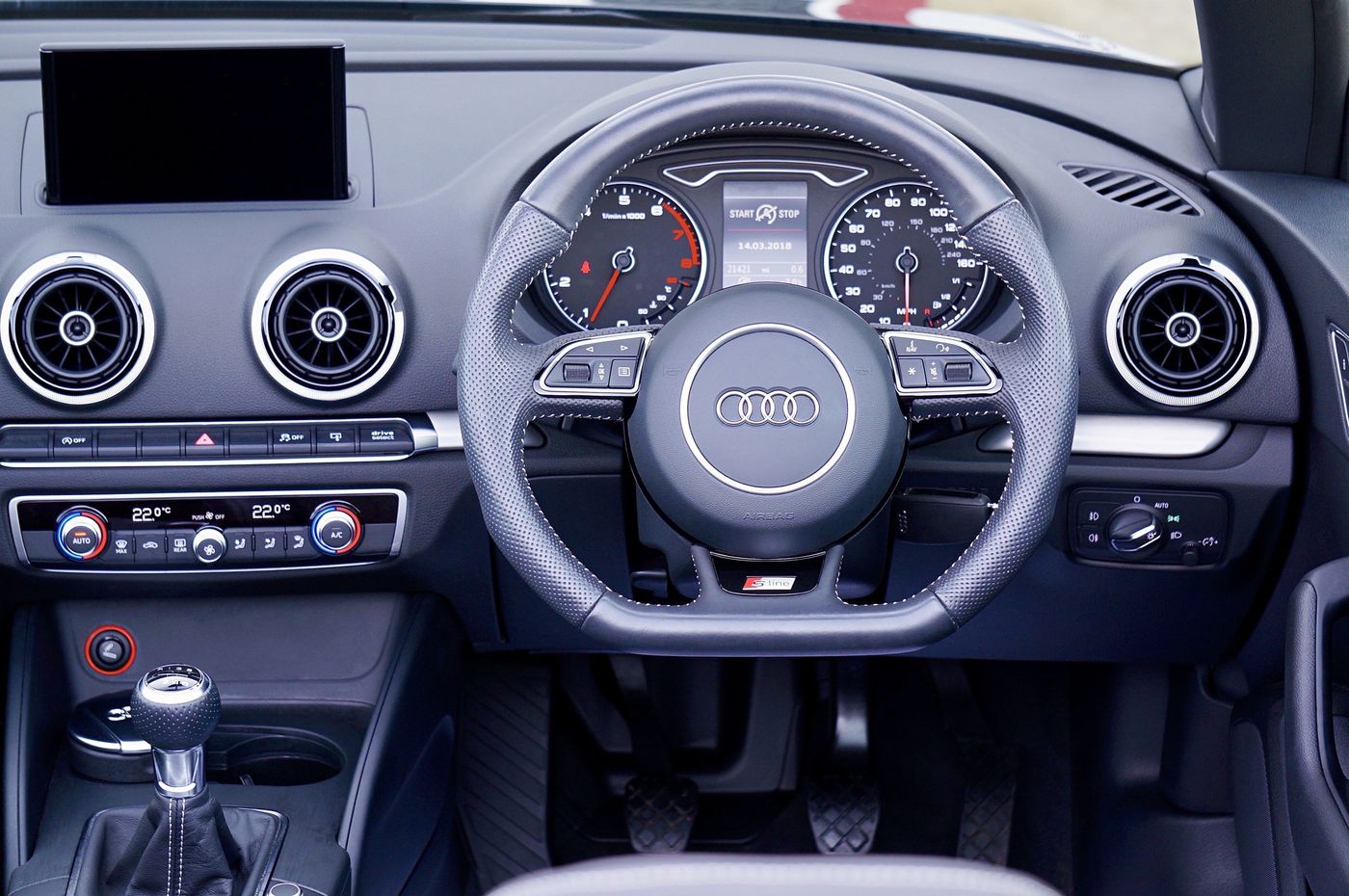
- Battery warning light: If this appears on your dashboard, have the charging system tested immediately
- Frequent jump starts: If you've needed a jump more than once in a short period, the battery is not holding a charge
The Three-Year Rule
A practical approach many mechanics recommend: if your battery is approaching or past the three-year mark, have it tested rather than waiting for symptoms. Battery testing is quick, non-invasive, and usually free at many shops and auto parts stores. A load test measures how the battery performs under the electrical demands similar to starting the engine — it gives you a much more accurate picture of remaining life than visual inspection alone.What Drains a Battery Faster?
Several factors accelerate battery wear beyond normal aging. Short trips are hard on batteries because the alternator doesn't have enough time to fully recharge what was used to start the engine. Leaving accessories running with the engine off — phone chargers, interior lights, or the infotainment system — can deep-discharge the battery repeatedly, which shortens its life significantly. Infrequent use is also a culprit: a car that sits for weeks at a time will gradually self-discharge.What About the Alternator?
The battery and alternator work as a team. The battery starts the car; the alternator keeps it running and recharges the battery while you drive. If the alternator is failing, it won't adequately recharge the battery — and you may end up replacing a battery that was actually fine, only to have the same problem again. Whenever a battery is replaced, a good mechanic should also test the alternator output to make sure the charging system is functioning correctly.